Cutie: A Feminine Script Font for Modern Web and Digital Design
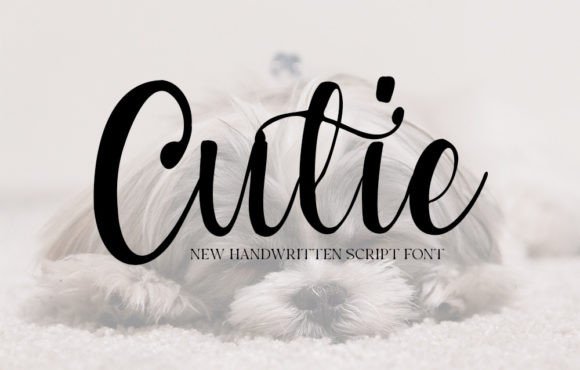
Cutie is more than a decorative typeface—it's a versatile script font that brings a touch of elegance and warmth to digital interfaces. As a smooth, raw cursive handwritten font, Cutie bridges the gap between casual charm and professional polish. Its flowing strokes and organic texture make it a standout choice for web designers, UI creators, and brand-focused digital product teams looking to elevate their visual storytelling.
When designing for the web, readability and visual hierarchy are essential. Cutie works best in contexts where personality and clarity coexist—such as hero headers, branding elements, and short-form text. It’s not intended for long-form body copy, but rather for moments where typography sets the tone. Whether used in a landing page headline, a boutique online store banner, or a coaching website’s call-to-action, Cutie brings a human touch that resonates with audiences.
Where to Use Cutie in Web and Digital Design
One of the most effective uses for Cutie is in hero sections. A large, elegantly styled headline in Cutie can instantly set a warm, approachable tone. It pairs beautifully with clean sans serif fonts for subheadings and body text, creating a balanced contrast that guides the user’s eye through the layout. For example, a creative portfolio site might feature Cutie in the logo and project titles, while using a neutral font like Open Sans or Lato for navigation and descriptions.
It’s also ideal for buttons and short-form calls to action. A "Book Now" or "Shop the Collection" button styled in Cutie adds a soft, inviting quality—especially when used in a light color over a pastel background or a subtle image overlay. On mobile screens, designers should ensure adequate spacing and avoid overly condensed layouts to maintain legibility. When scaling down, consider using Cutie for decorative accents rather than primary interface text.
Supporting Brand Identity with Cutie
Brand consistency is crucial in digital experiences, and Cutie can play a central role in crafting a cohesive identity. For lifestyle brands, wellness coaches, or indie product creators, this font becomes part of the visual language that communicates care, creativity, and authenticity. It works well in logo design, packaging design, and even social media graphics, ensuring that typography aligns with the brand’s emotional tone.
When building a digital brand kit, consider using Cutie in supporting graphics like quote blocks, testimonials, or promotional banners. Its raw, hand-drawn quality adds a sense of approachability and warmth, which is especially effective in niches like personal development, parenting, or handmade goods. Designers can also layer it over editorial-style layouts by pairing Cutie with serif fonts for a curated, magazine-inspired aesthetic.
Font Pairing Strategies for Web Design
Successful web typography often relies on thoughtful font pairing. Since Cutie is a decorative script font, it performs best when contrasted with simpler, more structured typefaces. Pairing it with a modern sans serif like Montserrat or Raleway for navigation menus or body text creates a rhythm that supports both visual interest and usability.
For editorial-focused websites or blogs, consider combining Cutie with a refined serif font like Merriweather or Playfair Display. This combination works well in blog headers, featured quotes, or newsletter signups where the goal is to evoke a sense of sophistication and storytelling. The key is to let Cutie shine in decorative roles while relying on its companion font to carry the functional text.
Technical Considerations for Using Cutie
Before implementing Cutie into a live project, always verify the included styles, weights, and character sets. Many script fonts only offer a single weight, which can limit flexibility in responsive layouts. Look for alternates or stylistic sets that allow for customization—such as swashes or ligatures—especially if you're designing for a brand that requires unique typographic touches across different platforms.
Also, ensure that the font includes webfont formats like WOFF and WOFF2, which are optimized for performance and compatibility across browsers. If you're embedding Cutie into an online store, landing page, or client project, check the licensing terms. Commercial font licenses vary, and it's important to confirm that you're legally permitted to use the font in digital templates, brand assets, and hosted web environments.
Designing for Readability Across Devices
Mobile responsiveness is a core concern in modern web design, and Cutie should be applied with care in small-scale environments. While it reads beautifully on desktop hero sections, its fine strokes and ligatures can become muddied on smaller screens. For mobile-optimized layouts, use Cutie sparingly—such as in logo text or featured headlines—and avoid using it for navigation or small buttons.
When using Cutie over image backgrounds, always test contrast levels. Light-colored text in Cutie may struggle against complex or busy images, especially on mobile devices with lower screen resolution. Consider adding a subtle drop shadow or using a semi-transparent overlay behind the text to ensure legibility without compromising design aesthetics.
Final Notes on Using Cutie in Digital Projects
Cutie is a powerful tool in the modern designer’s toolkit, especially when applied with intention. Its feminine, smooth aesthetic makes it a go-to for creative branding, landing page design, and digital storytelling. Whether you're building a course sales page, rebranding a wellness blog, or designing a boutique Shopify store, Cutie can help create a memorable and emotionally resonant user experience.
Remember to use it where it performs best—logos, headers, short-form CTA text, and decorative accents. Pair it with clean, legible fonts to maintain balance, and always test for readability across devices and screen sizes. With the right implementation, Cutie isn’t just a font—it’s a design asset that strengthens your digital brand identity and supports your conversion goals.