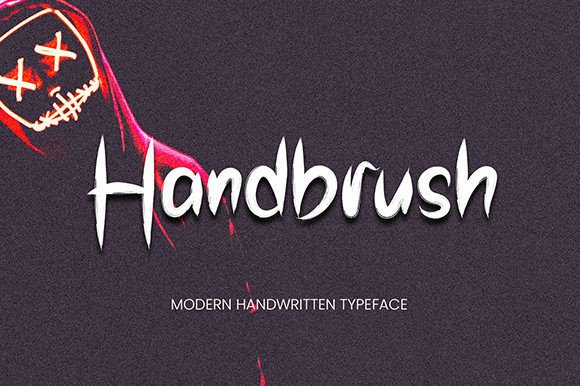
Handbrush Font: Elevating Web Design with Elegant Handwritten Typography
Handbrush is more than just a decorative script font; it's a versatile tool for web designers and digital creators looking to inject personality into their online projects. As part of the Script Amp category, Handbrush blends the warmth of handwriting with the precision needed for modern web design. Its flowing strokes and soft curves make it ideal for designers who want to communicate elegance and approachability without sacrificing digital clarity.
Visual Style and Digital Performance
Handbrush carries a distinctive charm that feels both modern and timeless. Its slightly irregular baseline and natural ink textures give it a humanized feel, perfect for brands that want to appear personable yet professional. Unlike many script fonts that can feel overly formal or difficult to read on screens, Handbrush maintains legibility across devices. This makes it a strong candidate for digital use cases where visual appeal and readability must coexist.
From a UI design perspective, Handbrush shines in contexts where a warm, expressive tone is needed. Whether it's a hero headline on a landing page or a short tagline in a promotional banner, this font helps create a memorable first impression. It works especially well for creative professionals, lifestyle brands, and service-based businesses that want to stand out through thoughtful typography choices.
Practical Use Cases in Web and Digital Design
In real-world web design scenarios, Handbrush performs best when used strategically. It's particularly effective in header areas, hero sections, and call-to-action buttons where short, impactful text can make a strong visual statement. For example, a coaching website might use Handbrush for its headline banner, paired with a clean sans serif for supporting text, creating a balance between emotional appeal and readability.
- Portfolio websites benefit from Handbrush in logo text and project titles
- Boutique online shops use it for product banners and special promotions
- Course creators apply it in sales page headers and testimonial highlights
- Bloggers integrate it into header graphics and social media visuals
When designing for conversion-focused layouts, Handbrush helps guide visual hierarchy. It draws attention where needed without overwhelming the user, especially when used at appropriate font sizes and contrast levels. Designers should consider using it in areas where emotional connection and brand tone matter most.
Readability and Responsive Design Considerations
For digital product creators, ensuring readability across devices is crucial. Handbrush performs well on mobile screens when used for short text elements like buttons or headlines. However, due to its decorative nature, it's best reserved for larger text sizes rather than body copy. When overlaying Handbrush on images or dark backgrounds, adding a subtle text shadow or background overlay can improve legibility.
In responsive layouts, consider adjusting font sizes and line heights for smaller screens. While the font maintains character even at reduced sizes, using it for very small labels or navigation menus may compromise clarity. For best results, combine it with system-friendly fonts in multi-layered interface components to ensure consistency across platforms.
Font Pairing Strategies for Web Design
One of Handbrush’s strengths lies in how well it pairs with other typefaces. Since it's a script font with a handwritten feel, pairing it with a minimalist sans serif like Open Sans or Lato creates a balanced contrast that enhances both visual interest and readability. For editorial-style websites or content-heavy platforms, combining Handbrush with a serif font like Merriweather or Playfair Display can elevate the overall typographic hierarchy.
When designing brand kits or digital experiences that require multiple typefaces, use Handbrush as the primary display font and complement it with one or two supporting fonts. This approach ensures a cohesive yet dynamic visual language across landing pages, social media assets, and branded web content sections.
Technical and Licensing Considerations
Before implementing Handbrush into a live website or client project, check the available file formats and webfont support. Most premium fonts include multiple weights, alternates, and multilingual characters, which are essential for international branding or projects requiring special typographic features. Confirm that the font includes WOFF and WOFF2 formats for optimal web performance and browser compatibility.
From a licensing standpoint, always verify that you have the appropriate rights to use Handbrush in commercial web design projects. Whether you're building a Shopify store, creating a WordPress theme, or designing a landing page for a client, proper font licensing ensures legal compliance and protects both you and your clients from potential issues down the line.
Final Thoughts on Using Handbrush in Digital Design
Handbrush is a modern script font that bridges the gap between artistic expression and functional web design. Its ability to enhance brand tone while maintaining digital readability makes it a valuable asset for designers working on a wide range of online experiences. Whether you're crafting a personal portfolio, launching a product page, or refining a brand identity kit, Handbrush offers the visual appeal and technical flexibility needed to create polished, engaging digital typography.